Bringing the Monsoon Home: How Desi Americans Are Letting Ancestral Seasons Back Into Their Lives
There's a particular kind of sensory memory that South Asian Americans carry around without always naming it. The smell of wet earth when the first monsoon rain hits dry ground. The specific heaviness of July air in Chennai or Mumbai. The way a household shifts in winter — the sesame oil warming on the stove, the extra layer of cotton on the bed, the food getting denser and darker and more grounding. These aren't just nostalgic impressions. For a lot of desi Americans, they're a blueprint for how the body expects the year to move.
The problem is that American life doesn't move that way. The thermostat holds everything at 70 degrees. The grocery store has the same strawberries in January that it had in June. The rhythm of the year, for many people in the US, is largely defined by the retail calendar — back to school, Halloween, the holidays, repeat. It's efficient. It's also, for a lot of diaspora South Asians, quietly alienating.
So some of them are redesigning their lives around a different clock.
The Seasonal Body Doesn't Forget
Ayurveda has been talking about this for thousands of years. The concept of ritucharya — seasonal routine — is built on the understanding that the body isn't a static machine. It's a system in constant conversation with its environment, and what it needs shifts as the world around it shifts. The foods, the movement practices, the sleep rhythms, the skincare — all of it adjusts with the season.
For South Asian Americans who grew up hearing fragments of this philosophy from grandmothers or family doctors, the American wellness industry's recent embrace of "seasonal living" can feel like a complicated homecoming. The ideas aren't new. What's new is having the cultural mainstream finally catch up to what desi households have been doing, in various forms, for generations.
But the diaspora experience adds a layer. The seasons your body learned — the ones that shaped your parents and grandparents, the ones encoded in traditional recipes and festival timing and agricultural cycles — aren't necessarily the seasons outside your window in New Jersey or Texas or California. Working with ancestral seasonal wisdom in an American context requires some creative translation.
Gardens That Remember Somewhere Else
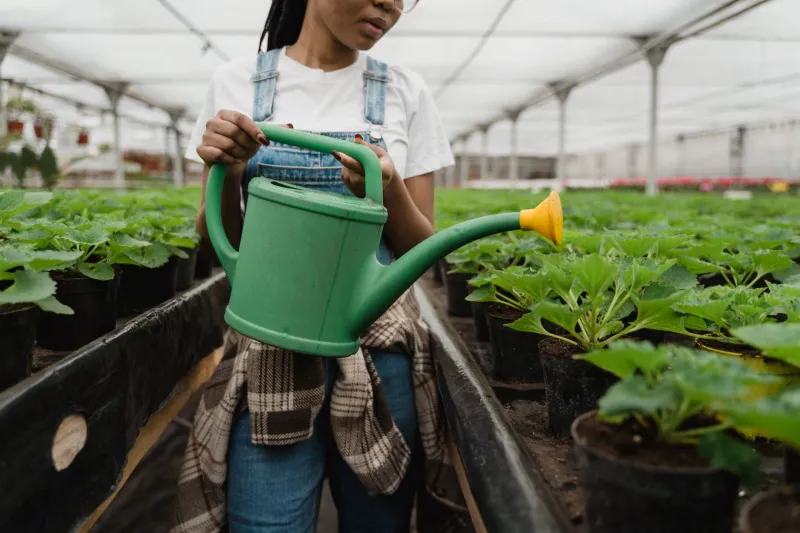
For some desi homeowners, the project starts outside. There's a growing community of South Asian Americans who are redesigning their yards and balcony gardens around plants that connect them to ancestral climate rhythms — not necessarily the exact plants of their region of origin, but species that carry similar sensory and functional weight.
Tulsi (holy basil) is probably the most common entry point. It's hardy enough for American climates with some care, it's deeply embedded in South Asian spiritual and medicinal tradition, and growing it at home creates a daily ritual of tending that many families find genuinely grounding. Beyond tulsi, you'll find desi gardeners experimenting with curry leaf plants, bitter melon, drumstick trees in warmer zones, and a rotating cast of gourds and greens that track the Indian agricultural calendar even when the American one doesn't quite match.
The monsoon element is trickier but not impossible. Some families have started building small rain gardens or water features designed to be activated by summer storms — creating a sensory experience that, however briefly, echoes the drama and relief of a real monsoon. It's not the same. But the intention matters. The body responds to cues, and even an approximation can shift something.
Eating the Season, the Old Way
Food is where the seasonal recalibration gets most tangible — and most practical. Traditional South Asian eating patterns were never designed to be the same year-round. Summer cooking in many regional traditions is lighter, more cooling, built around ingredients like cucumber, coconut, yogurt, and raw mango. Winter eating gets heavier, more warming, with more ghee, more root vegetables, more slow-cooked lentils and spiced broth.
Desi Americans who've reconnected with this framework often describe it as the thing that finally made intuitive eating make sense for them. Not the American wellness version of intuitive eating, which can sometimes mean ignoring all structure — but a structured intuition, one where the season itself provides the guidance.
Families are building their meal planning around what's actually in season locally, cross-referencing with traditional regional eating patterns, and finding the overlaps. A Southern US summer has its own abundance — okra, eggplant, field peas — that maps surprisingly well onto South Indian summer cooking traditions. A Midwest winter calls for the same warming instincts that drive Punjabi winter cuisine. The geography is different. The logic is the same.
Designing Interiors That Breathe with the Year
Inside the home, the shift shows up in how spaces are arranged and what materials fill them. There's a move away from the Pinterest-perfect, seasonally neutral interior toward homes that actually change — heavier cotton throws coming out in winter, lighter woven textures in summer, the scent in the house shifting with the season through incense, fresh flowers, or the simple act of cooking differently.
Some families are bringing back practices that were standard in South Asian households but got lost in the immigration shuffle. The winter ritual of warm sesame or coconut oil massages (abhyanga in Ayurvedic tradition) is one example — something that requires almost nothing in terms of products or space, but transforms the sensory texture of a winter evening. Summer rituals around cooling the body — specific bathing practices, particular foods eaten at particular times of day — are being dusted off and adapted for American schedules.
The point isn't perfect traditional adherence. Most people don't have the time or the specific knowledge for that, and the pressure to do it "right" can turn something nourishing into something stressful. The point is re-establishing the conversation between the body and the world outside — a conversation that climate control and modern convenience have largely interrupted.
Why Now
It's probably not a coincidence that this reconnection with seasonal rhythms is happening at a moment when climate anxiety is everywhere and the artificiality of modern life feels increasingly exhausting. For South Asian Americans specifically, it's also happening at a moment of broader cultural confidence — a willingness to look at ancestral practices not as backward or provincial, but as genuinely sophisticated responses to the problem of how to live well.
The monsoon you grew up hearing about, or the one your parents grew up in, or the one that shaped the cuisine and festivals and farming calendar of your family's region — it's not just nostalgia. It's a design document. And more desi Americans are starting to read it.