Spice School: Why American Home Cooks Are Finally Moving Past the Curry Powder Shortcut
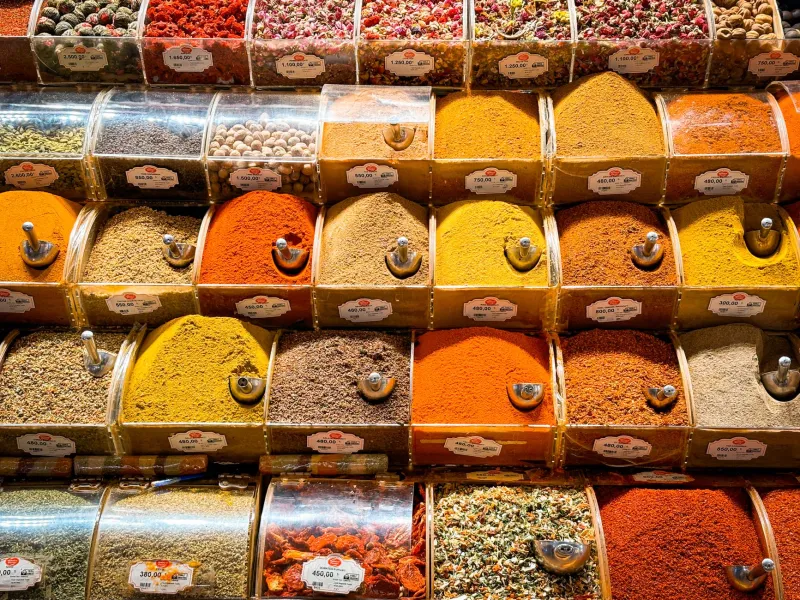
There's a jar in roughly half of American pantries that does a lot of heavy lifting — and a lot of oversimplifying. Curry powder, that pre-blended catch-all, has been the default gateway to "Indian food" for decades in the US. It's convenient. It's familiar. And according to a growing number of home cooks who've discovered what Indian spice layering actually looks and tastes like, it's kind of a dead end.
Something is shifting in American home kitchens, quietly but unmistakably. People are buying whole black cardamom pods, hunting down asafoetida (hing) at their local Indian grocery, and learning what kasuri methi — dried fenugreek leaves — can do to a butter chicken that no spice blend ever could. The "elevated comfort food" wave that's been building in culinary culture for the past few years has a new frontier, and it smells incredible.
The Problem with the Shortcut
Curry powder isn't wrong, exactly. It's just incomplete — a Western invention, actually, developed by British colonizers trying to approximate the flavors they encountered in India and package them for easy export. What it flattens is the entire philosophy behind Indian cooking: the idea that spices aren't just flavoring agents, but active ingredients that behave differently depending on when you add them, what fat you bloom them in, and what company they keep.
"The first time I made a dal from scratch and fried whole cumin seeds in ghee before anything else went in the pot, I understood something I'd never gotten from a spice packet," says Priya Nair, a Chicago-based graphic designer who started cooking Indian food seriously about two years ago after her Indian American roommate taught her the basics. "That sound — the sizzle and pop — and that smell. It's like the spice wakes up."
That waking-up is called tempering, or tadka, and it's foundational to South Asian cooking. The fat-soluble compounds in whole spices release when hit with hot oil or ghee, unlocking flavors that would stay dormant if the spices were simply stirred into a simmering pot. It's chemistry, but it also feels like ritual.
Meet the Spices Worth Getting to Know
For cooks just starting to move beyond the basics, the spice cabinet can feel overwhelming. A few standouts that keep coming up in conversations with enthusiastic home cooks:
Asafoetida (Hing): This one surprises people. It smells sharp and almost sulfurous straight from the jar, but a tiny pinch — and it really is tiny — bloomed in hot oil transforms into something savory and deeply umami. It's used extensively in South Indian and Jain cooking and acts almost like a flavor amplifier for everything around it.
Black Cardamom: Totally different from its green cousin. Smoky, slightly camphor-like, and earthy, it shows up in biryanis and slow-cooked meat dishes. Think of it as the dark, mysterious sibling in the cardamom family.
Kasuri Methi: Dried fenugreek leaves that add a slightly bitter, herbaceous complexity to sauces. A pinch crumbled in at the end of cooking a creamy curry changes the whole dimension of the dish. Restaurant chefs have been using it forever; home cooks are just catching on.
Kala Namak (Black Salt): Sulfurous and mineral-rich, this is what makes chaat masala taste like chaat masala. It's also having a moment in plant-based cooking because its eggy quality makes tofu scrambles genuinely convincing.
The Traditional Philosophy Behind the Layering
In classical Indian cooking traditions, spices were never just about taste. Ayurvedic principles assigned digestive, therapeutic, and even emotional properties to different spices — a framework that's been passed down through generations of home cooks, often without explicit labeling. Turmeric is anti-inflammatory. Ginger warms the digestive system. Asafoetida aids in breaking down legumes. Cumin promotes digestion.
This isn't superstition; much of it is being validated by modern nutritional science. But more than the individual benefits, the philosophy is about balance — building a dish that works on multiple sensory and physiological levels simultaneously. That's the real distance between a great Indian home-cooked meal and a jar of curry powder.
"My nani never used a recipe," says Sanjana Mehta, who runs a popular cooking account out of Austin. "She knew what each spice was doing and why. When I started trying to reverse-engineer her dishes, I had to learn that same logic from scratch. Now I can't cook any other way."
Where American Cooks Are Learning
The resources have never been better. Cookbook authors like Maneet Chauhan, Priya Krishna, and Tejal Rao have made Indian cooking feel approachable and genuinely exciting for American audiences. YouTube channels run by South Asian home cooks are racking up millions of views. Indian grocery stores — long underappreciated gems in cities across the US — are suddenly getting their moment as destination shopping spots.
For people in cities without easy access to a dedicated Indian grocery, online retailers like iShopIndian and Patel Brothers' online store have made sourcing whole spices straightforward. The price point, once you stop buying tiny McCormick jars and start buying bulk, is also dramatically lower.
A Simple Starting Point
If you want to dip your toes in without committing to a full spice overhaul, try this: the next time you make any kind of lentil soup or bean dish, skip the dried herbs and instead heat two tablespoons of neutral oil or ghee in a small pan, add a teaspoon of whole cumin seeds, a pinch of hing, and two dried red chilies. Wait until the cumin turns golden and fragrant — about 60 seconds — then pour the whole thing, sizzling oil and all, over your finished dish. Stir it in. That's tadka. That's the beginning.
From there, the path forward is just curiosity. Pick one unfamiliar spice per month. Learn what it does. Taste it on its own, then in context. The complexity that American cooks are discovering isn't intimidating once you approach it the way Indian cooks always have — not as a formula, but as a conversation between ingredients.
The curry powder jar can stay. But it might start feeling a little lonely on the shelf.


